
In contemporary architecture, luxury is no longer defined by extravagant finishes alone. Instead, it is found in the subtle interplay between light, shadow, materials, and space.
The most memorable homes are those that evolve throughout the day — where morning sunlight softens interior textures, afternoon shadows create depth, and carefully considered openings frame nature like a living artwork. This philosophy has become a defining characteristic of modern architectural design, transforming houses into immersive experiences rather than simply places to live. Inspired by contemporary Australian residential architecture that prioritises natural light, adaptable spaces, and restrained material palettes, today’s luxury homes are increasingly designed as environments that respond to changing conditions throughout the day.
The Architecture of Natural Light
Light is one of the most powerful design materials available to architects and interior designers.
Unlike stone, timber, or steel, light changes continuously. It shapes mood, highlights textures, and influences how spaces are perceived. A well-designed home considers not only where light enters but how it moves through the interior over time.
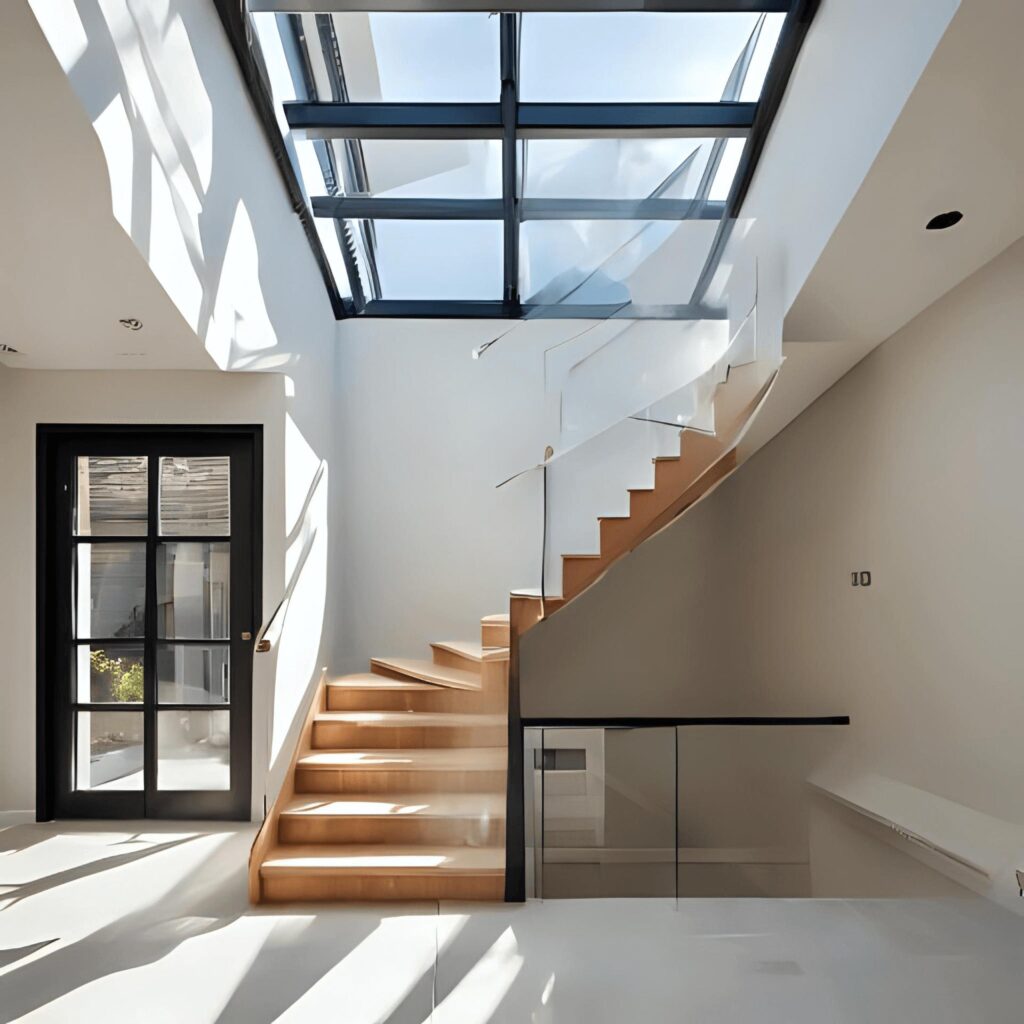
Contemporary residential architecture often incorporates:
- Floor-to-ceiling glazing
- Skylights and light wells
- Open-plan living spaces
- Layered screening systems
- Carefully oriented windows
These design strategies maximise daylight while maintaining privacy and thermal comfort. Homes designed around natural illumination often feel larger, calmer, and more connected to their surroundings.
Why Shadow Is Equally Important
While natural light receives much attention, shadow plays an equally important role in creating architectural atmosphere.
Without contrast, spaces can feel flat and uninspiring. Shadow introduces:
- Depth
- Texture
- Visual rhythm
- Privacy
- Comfort
Architectural elements such as timber battens, screens, louvres, feature walls, and custom joinery can create dynamic patterns of light and shadow throughout the day.
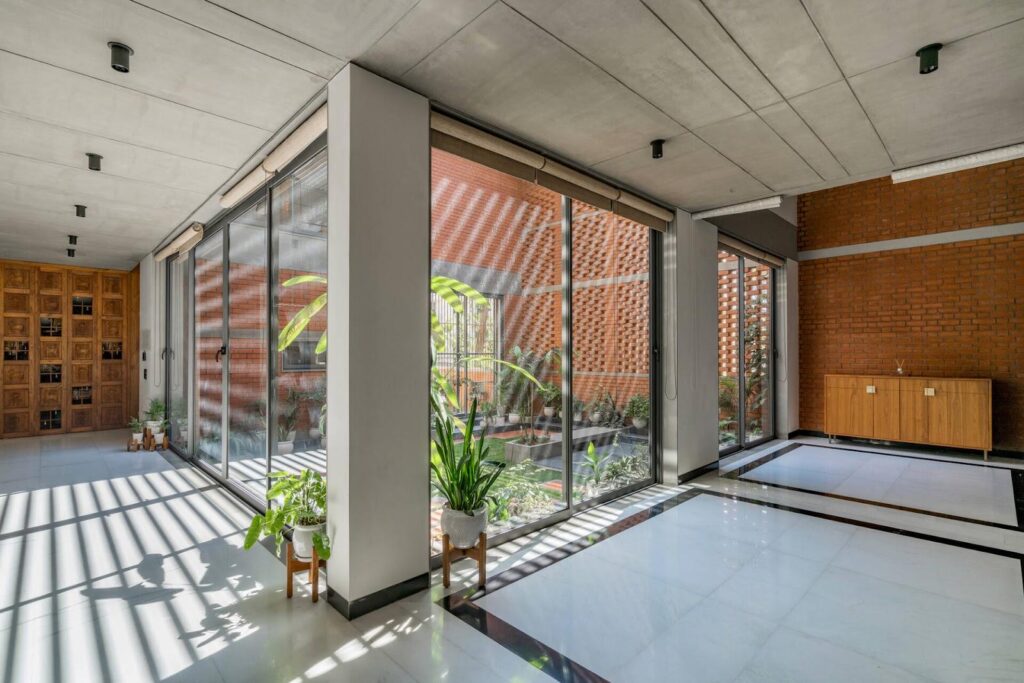
These subtle transitions add movement to otherwise static interiors, creating spaces that feel alive and engaging.
Blurring the Boundary Between Indoors and Outdoors
One of the strongest trends in luxury home renovation and custom home construction is the seamless connection between interior and exterior environments.
Large sliding doors, landscaped courtyards, integrated terraces, and carefully framed garden views help dissolve traditional boundaries between the home and nature.
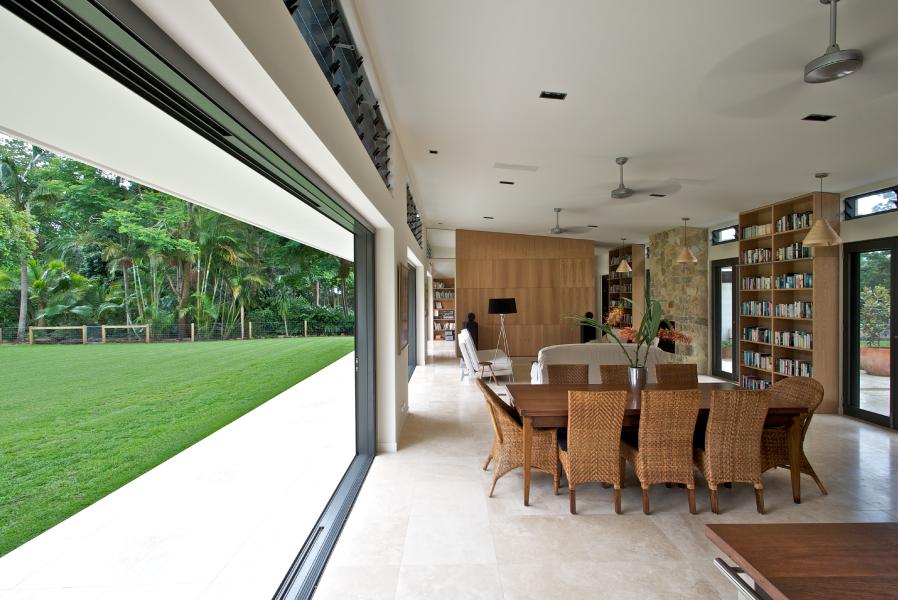
Rather than treating the outdoors as a separate zone, modern architecture incorporates the landscape into the daily living experience. Native planting, filtered sunlight, and outdoor rooms become extensions of the interior itself. This approach strengthens the relationship between occupants and the surrounding environment while improving natural ventilation and daylight access.
Material Selection Enhances Light Performance
The way materials interact with light can dramatically influence the atmosphere of a home.
Luxury interiors often combine:
- Natural timber finishes
- Matte stone surfaces
- Textured plaster walls
- Soft neutral palettes
- Architectural metal details
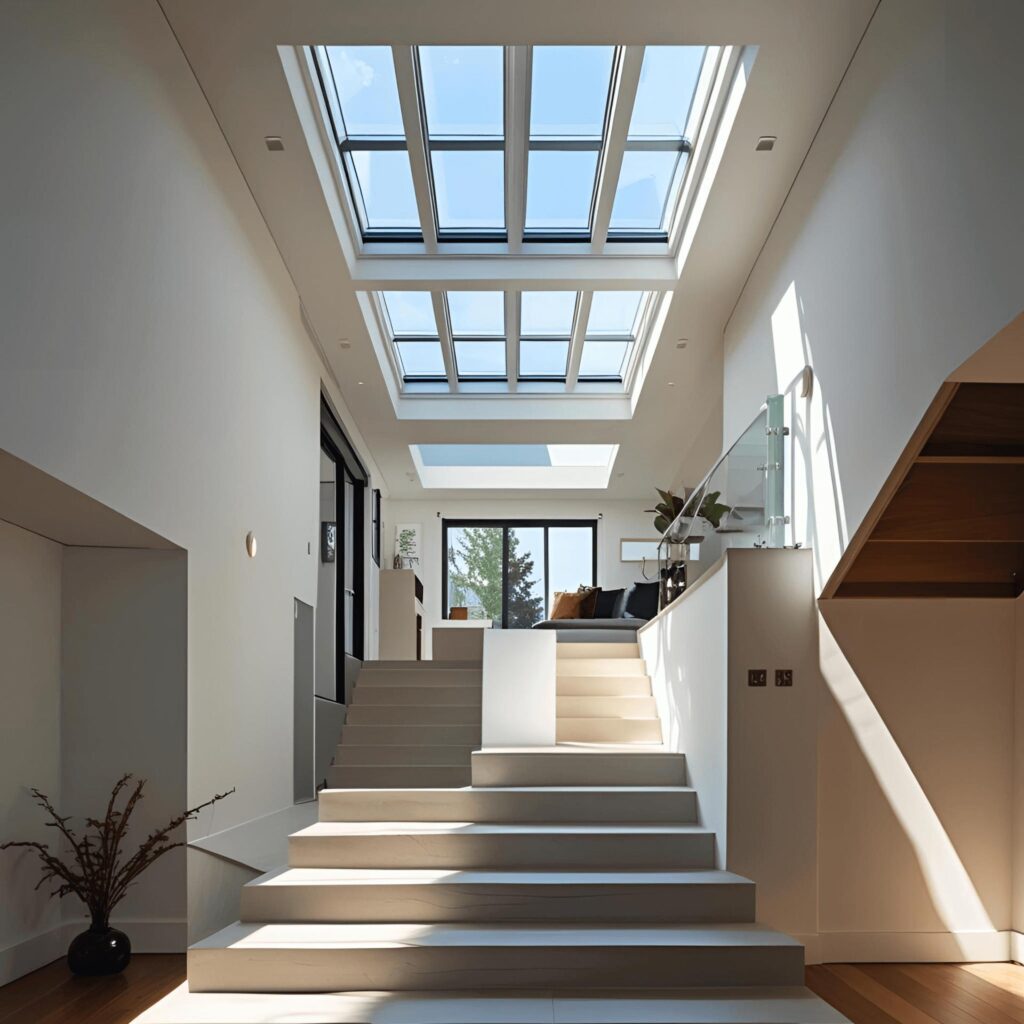
These materials reflect and absorb light differently, creating layers of visual richness.
Rather than relying on bold colours or excessive decoration, contemporary luxury interiors use materiality to create warmth, softness, and sophistication.
At NT Building Group, material selection is considered alongside lighting design from the earliest stages of a project to ensure every surface contributes to the overall spatial experience.
Flexible Design for Modern Living
Today’s homeowners expect spaces that can adapt as lifestyles evolve.
Modern architectural homes increasingly embrace:
- Open-plan layouts
- Flexible room configurations
- Multi-purpose spaces
- Integrated home offices
- Bespoke storage solutions
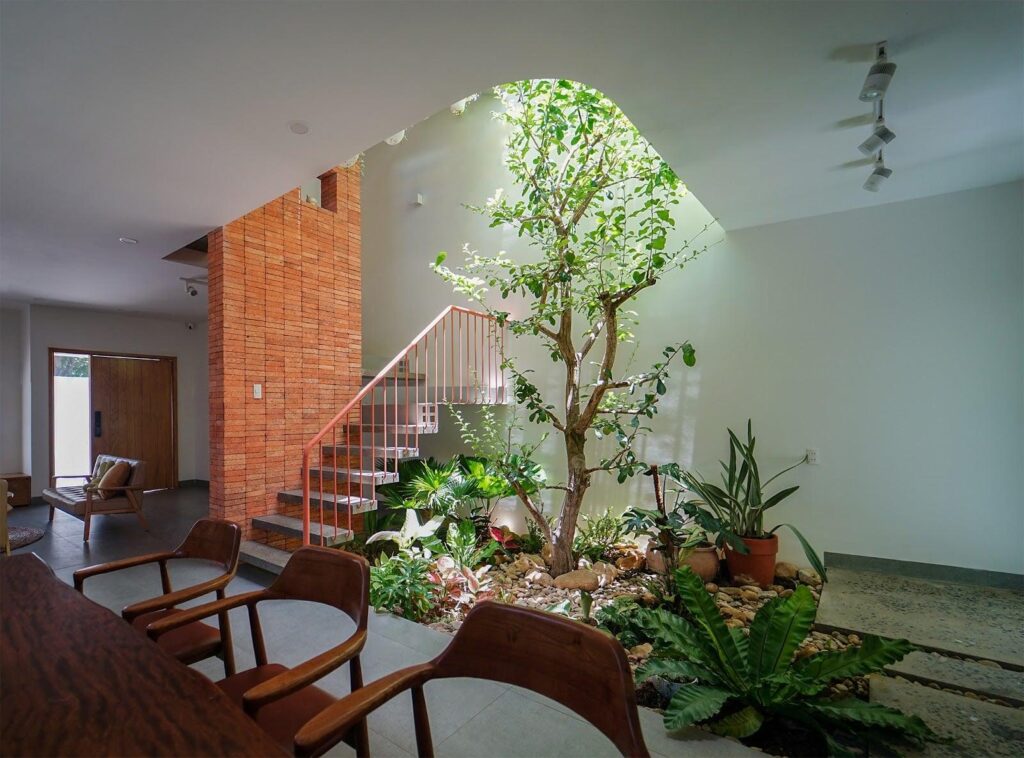
Structural systems that minimise load-bearing internal walls create greater long-term flexibility, allowing interiors to evolve without compromising architectural integrity. Adaptability has become a defining feature of high-end residential design, supporting changing family needs while extending the lifespan of the home.
Bespoke Joinery as an Architectural Element
Custom joinery is no longer simply functional storage.
In contemporary luxury homes, joinery acts as an architectural device that helps define space, manage light, and establish visual continuity.
Bespoke cabinetry can:
- Conceal appliances
- Integrate lighting
- Create feature walls
- Enhance spatial flow
- Introduce texture and material contrast
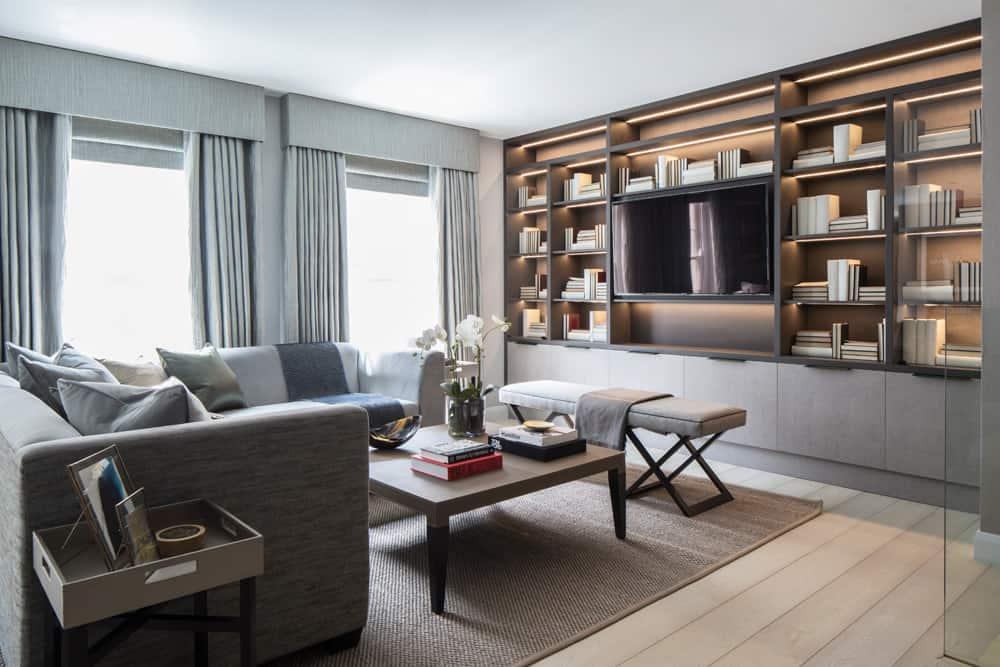
When carefully designed, joinery becomes part of the architecture itself rather than an addition to it.
This approach is central to many premium home renovation projects across Melbourne, where homeowners seek highly personalised interiors that balance beauty and functionality.
Sustainability Through Passive Design
The future of luxury architecture is increasingly tied to sustainability.
Passive design strategies allow homes to naturally regulate temperature, improve energy efficiency, and reduce environmental impact.
Common passive design solutions include:
- Operable shading systems
- External louvres
- Natural cross ventilation
- Thermal mass flooring
- High-performance glazing
- Solar orientation optimisation
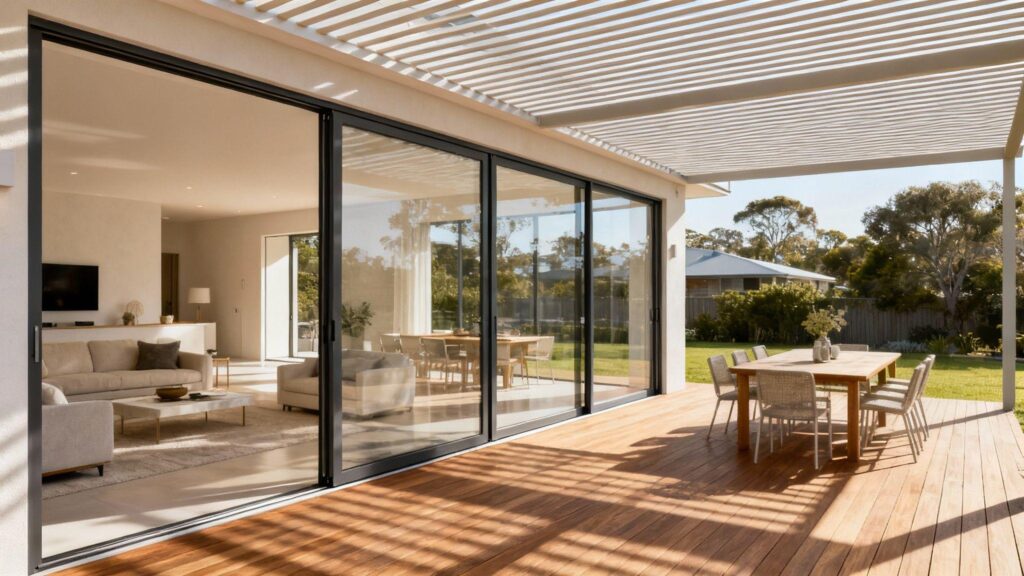
By designing with climate responsiveness in mind, homeowners can enjoy greater comfort while reducing long-term energy consumption. Contemporary Australian homes increasingly integrate adaptable shading systems and natural ventilation strategies to improve environmental performance year-round.
Creating Homes That Feel Timeless
True luxury is rarely loud.
It is expressed through thoughtful detailing, carefully curated materials, natural light, and spaces that feel effortless to inhabit.
The most successful homes achieve balance:
- Light and shadow
- Openness and privacy
- Function and beauty
- Architecture and nature
At NT Building Group Australia, we specialise in bespoke home renovations, custom joinery, and luxury interior transformations that bring these principles together — creating timeless homes designed for modern living.